
How Far in Advance Should You Go to a Wedding Dress Shop?
Planning a wedding involves countless details, but perhaps one of the most exciting tasks is finding the perfect wedding dress. The timing of when to start your dress shopping journey is crucial for ensuring that you have ample time for selection, fittings, alterations, and customization. Visiting a wedding dress shop early in the planning process can give you the opportunity to explore different silhouettes, fabrics, designers, and details without feeling pressured to make an immediate decision. Creating a realistic timeline also makes it easier to coordinate the gown with the venue, season, accessories, and overall style of the celebration.
Understanding the Average Wedding Dress Timeline
The wedding timeline is a critical factor in planning every aspect of your big day, especially when it comes to your gown. It is generally advisable to begin shopping approximately 9 to 12 months before your wedding date. This timeframe provides room for browsing, ordering, shipping, fittings, and any necessary alterations. Starting early is particularly important when the wedding falls during a busy season, when designers and bridal boutiques may be handling a greater volume of orders. Each bride's timeline can be different depending on personal preferences, gown availability, and the complexity of the desired design.
Beginning early does not necessarily mean that you have to make a purchase during your first appointment. Instead, the additional time gives you an opportunity to understand what you like and compare different options. A wedding dress shop can introduce you to silhouettes or design details that you may not have considered before trying on gowns. Giving yourself room to explore can make the eventual decision feel more thoughtful and comfortable.
Considering Your Wedding Date and Season
Your wedding date plays a significant role in determining when to begin shopping. If your celebration takes place during a popular wedding month, boutiques and designers may be especially busy. Starting early can help account for increased demand and longer ordering or alteration schedules. Even brides planning weddings during quieter seasons can benefit from allowing extra time. A comfortable schedule reduces the risk of having to make rushed decisions as the wedding approaches.
The season can also influence which fabrics, silhouettes, and details are appropriate for the event. Lightweight fabrics and airy designs may be comfortable for warm-weather celebrations, while structured fabrics, sleeves, and layered gowns may work well for colder conditions. Venue characteristics should also be considered. A formal ballroom celebration may inspire a different gown than an outdoor garden or beach ceremony. Discussing these details during a wedding dress shop appointment can help narrow the available choices.
Starting Early for Custom and Special-Order Gowns
Starting your search early becomes especially important if you are interested in a custom or special-order dress. According to Brides, some wedding dress designers need 6 to 8 months to create, ship, and alter custom dresses. That schedule leaves relatively little room for unexpected complications when shopping begins too close to the ceremony. Production schedules, shipping times, fabric availability, and detailed alterations can all affect how quickly a gown is completed.
Additional time can also accommodate changes to the neckline, sleeves, train, embellishments, or other elements. Brides interested in significant personalization should discuss those requests at the beginning of the process rather than waiting until the gown arrives. Clear planning helps designers, consultants, and alteration professionals understand the desired result and establish a practical completion schedule.
Researching Styles Before Your Appointment
Wedding fashion trends can influence the selection process, so completing some research beforehand can be helpful. Bridal magazines, designer collections, blogs, and visual inspiration boards can introduce you to different silhouettes, fabrics, necklines, and embellishments. Current trends may provide useful ideas, but they do not have to determine the final choice. Personal comfort and confidence are equally important considerations when selecting a gown.
Bringing several examples to a wedding dress shop gives the consultant a starting point for understanding your preferences. At the same time, remaining open to recommendations can be beneficial. A gown can look very different on a person than it does in a photograph, and a silhouette you initially overlooked may become a favorite after trying it on. Combining preparation with an open mind can make appointments more productive.
Choosing a Dress Style That Fits Your Celebration
Choosing the right wedding dress style involves considering your personal preferences, comfort, venue, and wedding theme. A-line, ball gown, sheath, and mermaid silhouettes remain common choices, while some brides explore less traditional alternatives. The gown should allow you to comfortably participate in the activities planned for the ceremony and reception. Consider how easily you can walk, sit, dance, and move throughout the day rather than focusing exclusively on appearance.
It can also be helpful to think about how the gown will coordinate with accessories. Shoes, veils, jewelry, wraps, and other pieces can influence the complete look. Selecting the primary gown first usually provides a clearer foundation for making these additional decisions. Taking photographs when permitted and keeping notes about favorite features can make it easier to compare options after several appointments.
Scheduling Bridal Appointments in Advance
Early appointment scheduling can be particularly valuable around peak wedding seasons. Popular boutiques may have limited weekend availability, and preferred appointment times can fill quickly. Reserving a visit to a wedding dress shop in advance gives you more control over your schedule and allows sufficient time to prepare. It may also provide opportunities to attend trunk shows, designer events, or other special appointments featuring collections that are not normally available.
Before arriving, review the boutique's policies concerning appointments, guests, deposits, photography, ordering, and alterations. Knowing what to expect can make the experience smoother. It is also helpful to establish a realistic budget before trying on gowns. Communicating that budget to the consultant helps keep the selection focused on dresses that are financially practical.
Preparing for Your First Bridal Appointment
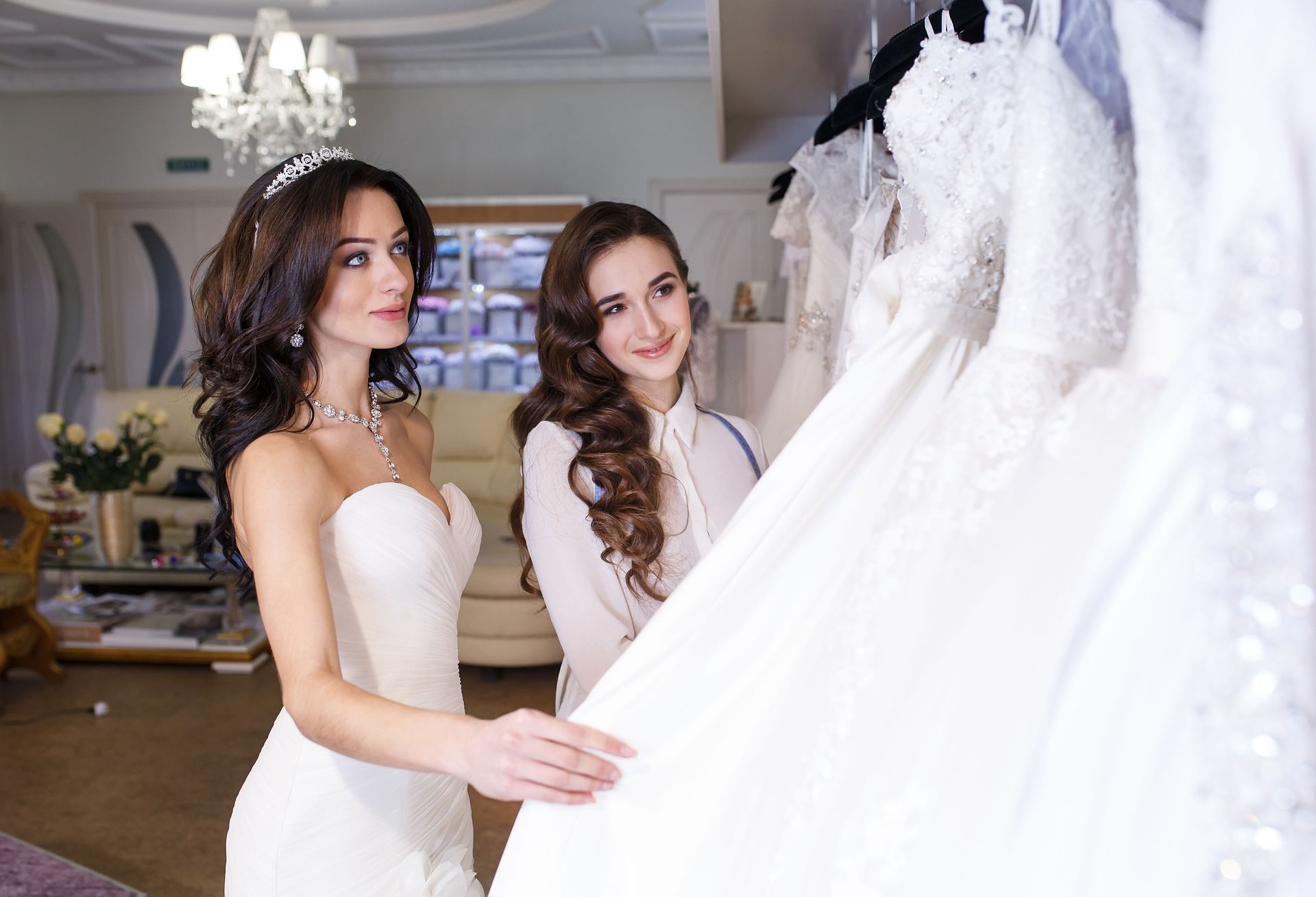
Preparation can make the first appointment more productive and enjoyable. Bring inspiration images, information about your wedding venue, and an idea of your preferred styles. Wearing comfortable, appropriate undergarments can also make changing between dresses easier. If you already have wedding shoes with a specific heel height, bringing them may help you understand how different gown lengths and silhouettes will look.
Consider limiting the number of guests attending the appointment. While feedback can be useful, too many conflicting opinions may make the decision more complicated. Choose people who understand your preferences and will provide constructive support. Most importantly, communicate openly with the consultant about what you like and dislike. Detailed feedback allows the consultant to refine the selection as the appointment progresses.
Planning Visits to More Than One Boutique
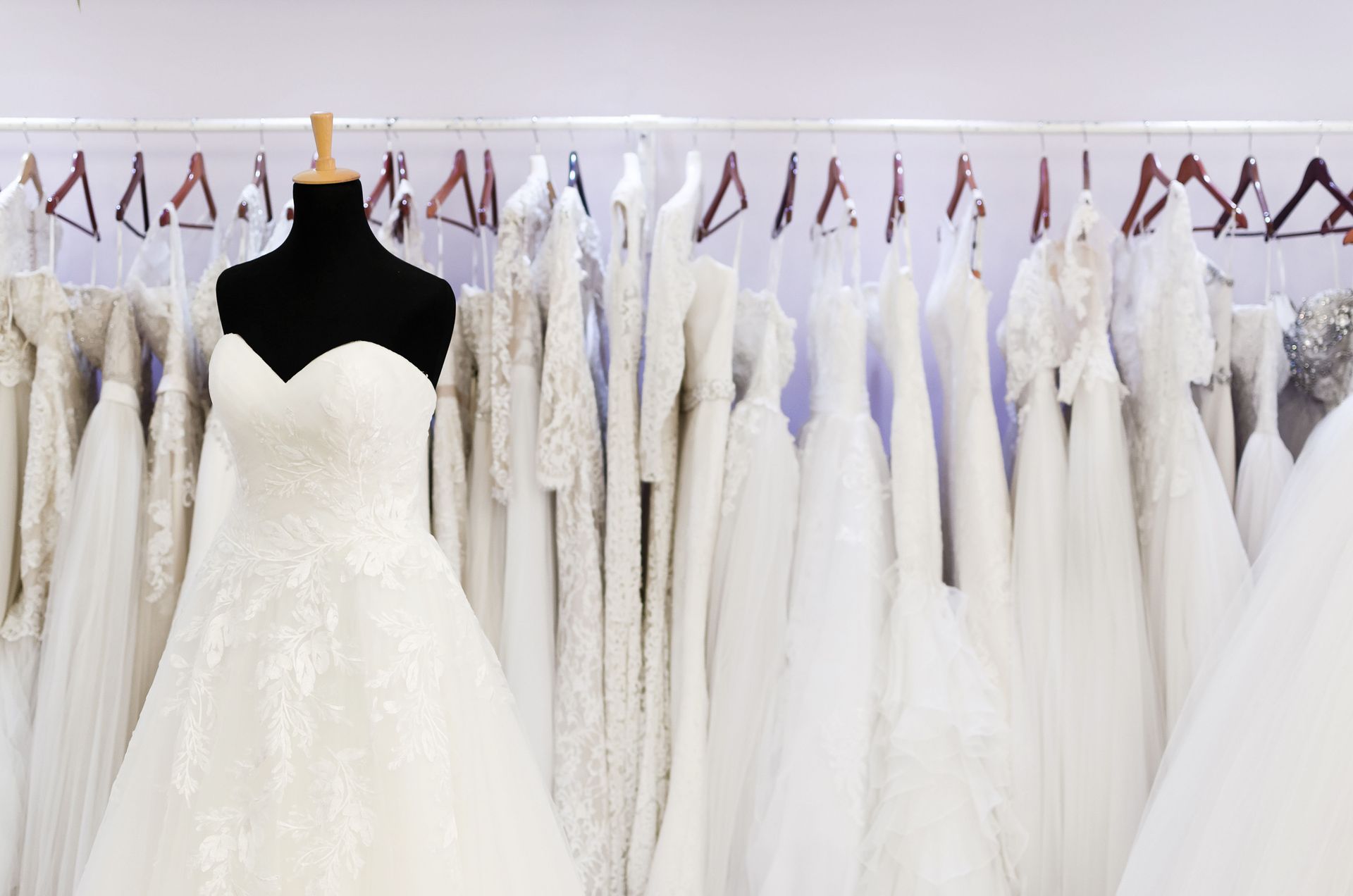
Visiting multiple boutiques can expose you to a wider selection of designers, price points, and styles. Creating a strategic schedule prevents appointments from becoming overwhelming. Rather than visiting several stores in rapid succession, leave enough time to reflect on each experience. Keeping notes about favorite gowns, prices, ordering requirements, and customization possibilities can make comparisons easier later.
Each wedding dress shop may carry different collections and offer different levels of customization or alteration services. Before scheduling an appointment, research whether the boutique carries styles within your preferred budget and aesthetic. A little preparation can prevent unnecessary visits and allow you to concentrate on stores most likely to meet your needs.
Starting early transforms wedding dress shopping from a rushed obligation into a more manageable part of wedding planning. By researching styles, scheduling appointments, budgeting for alterations, and allowing sufficient production time, you can approach each stage with greater confidence. Working with a wedding dress shop well before the ceremony also creates room for unexpected delays and thoughtful adjustments. With an organized timeline in place, you can focus on selecting a gown that complements your celebration and makes you feel comfortable throughout your wedding day. Contact our team at Bridals By Aimée today and learn more about our wedding dresses.



Share On: